
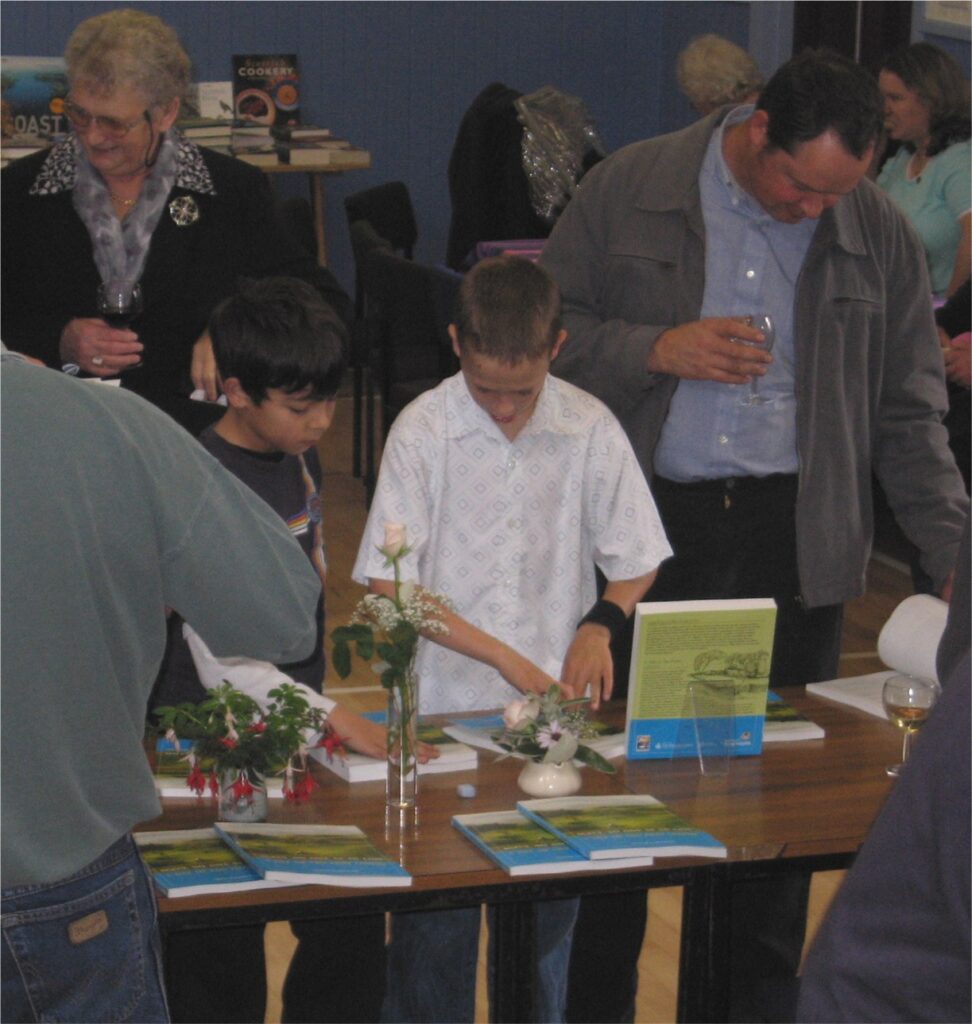
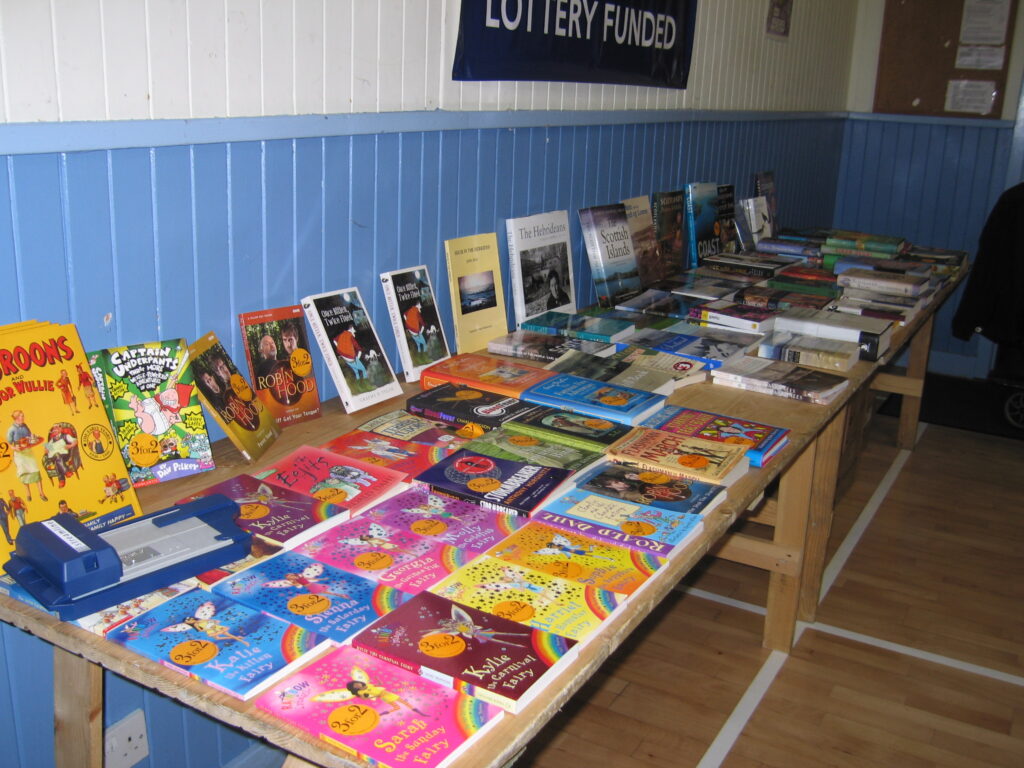
Waterstones came to Lismore recently for the eagerly anticipated launch of Donald Black’s Sgeul No Dha As An Lios (A Tale or two from Lismore). Donald has long been a renowned story teller; he is a stalwart of Radio nan Gailheal and a series of his stories appeared in Gaelic and English in the Oban Times. It was Jo MacDonald, a senior producer in Gaelic TV and Radio, who first suggested he go into print; she introduced him to Ian MacDonald of Gaelic Books and the idea took off.
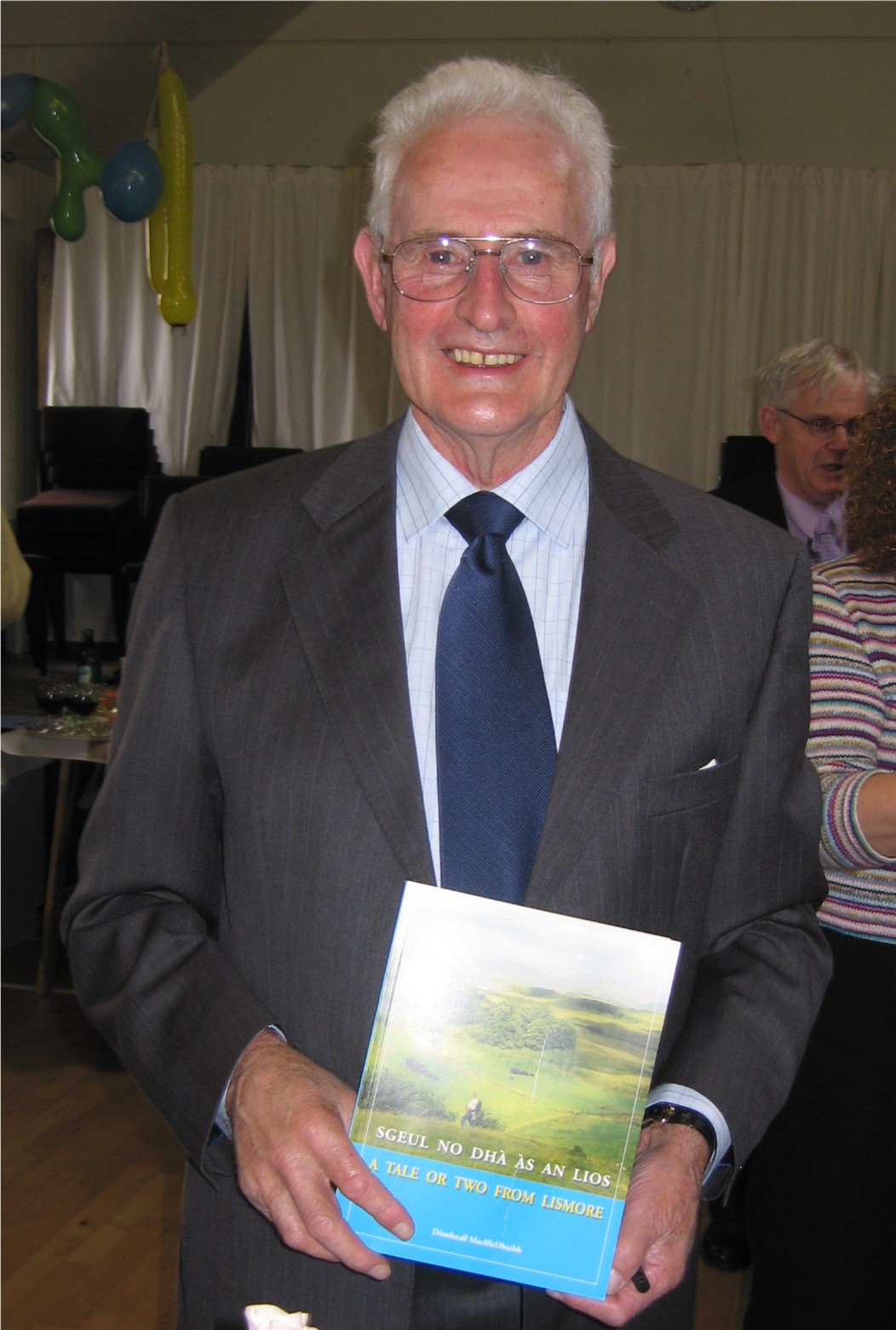
Donald Black
The book has been Published by Cadispa at the University of Strathclyde with funds from the Heritage Lottery and Gaelic Books
Anyone who could make it came to this unique event in Lismore’s history: Liosaich and their families from far and wide, islanders and visitors.
In the morning Donald read extracts to the Lismore Primary School children and Neil Horne from Waterstones Oban gave each child a book token. Later he introduced Geoff Fagan of Cadispa who was fulsome in his praise of Donald and said that this was an excellent example of the universities reaching out to sparsely populated areas with so much to offer: all at Strathclyde were very pleased to see this partnership working so well.
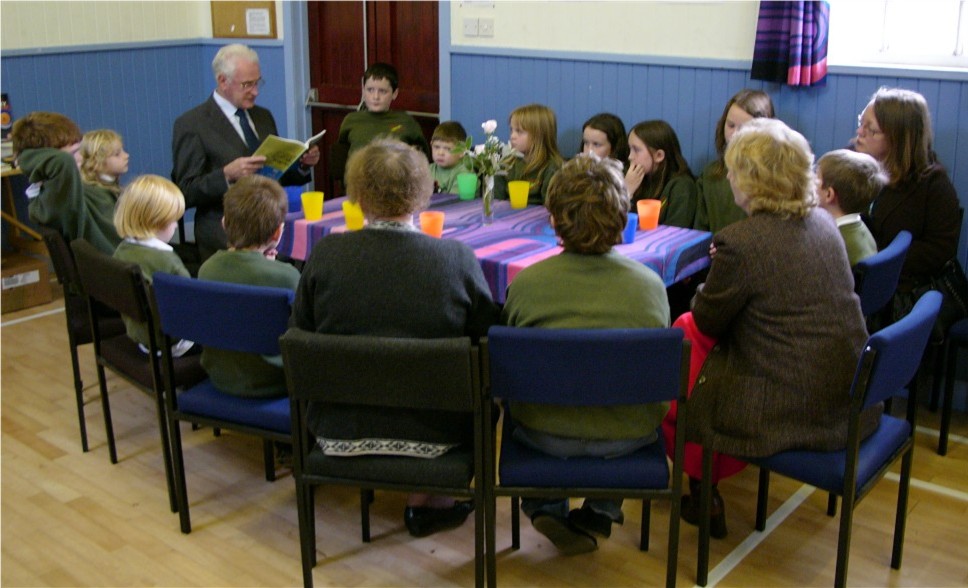
Donald Black with school children
Cadispa (Conservation and Development in Sparsely Populated Areas) is all about bringing the Donald Blacks to a wider audience and putting the Lismores on the map. Geoff thanked Norma Black for all her secretarial work, Ann MacLean for editing the Gaelic, Tom Anderson the designer, Rhona Anderson who drove the project, Tony Perkins (Cadispa’s man on Lismore) and the Hall Committee for their excellent catering. There was also a word from Iain MacDonald of Gaelic Books and Andy Anderson from Skye sang.


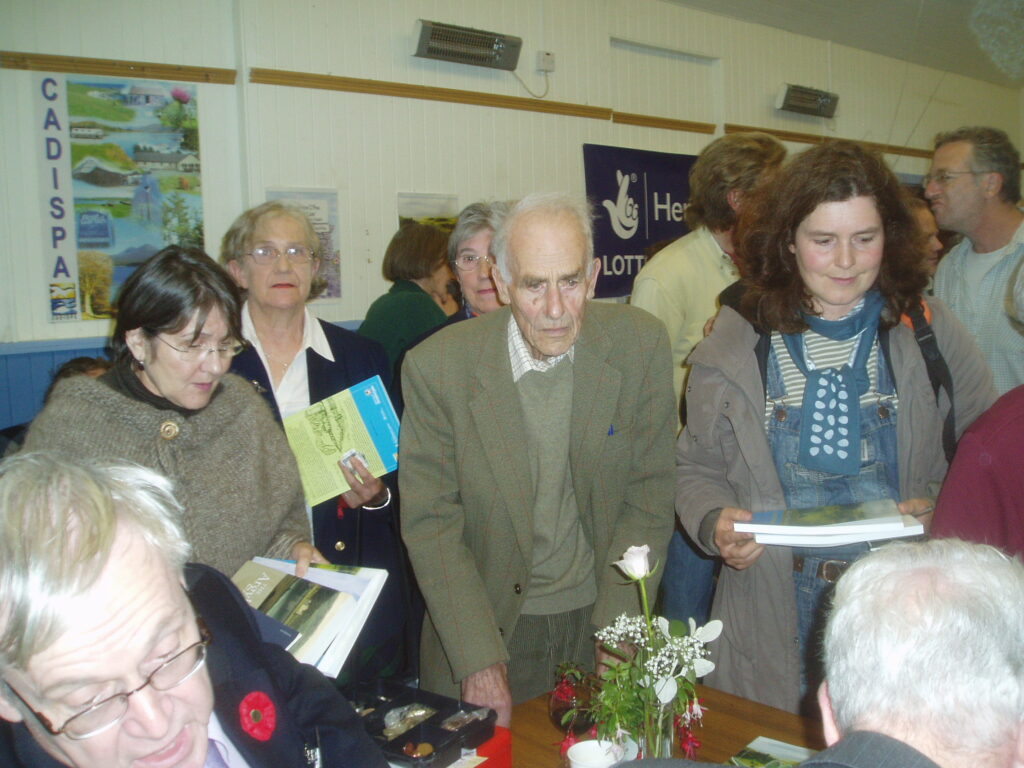

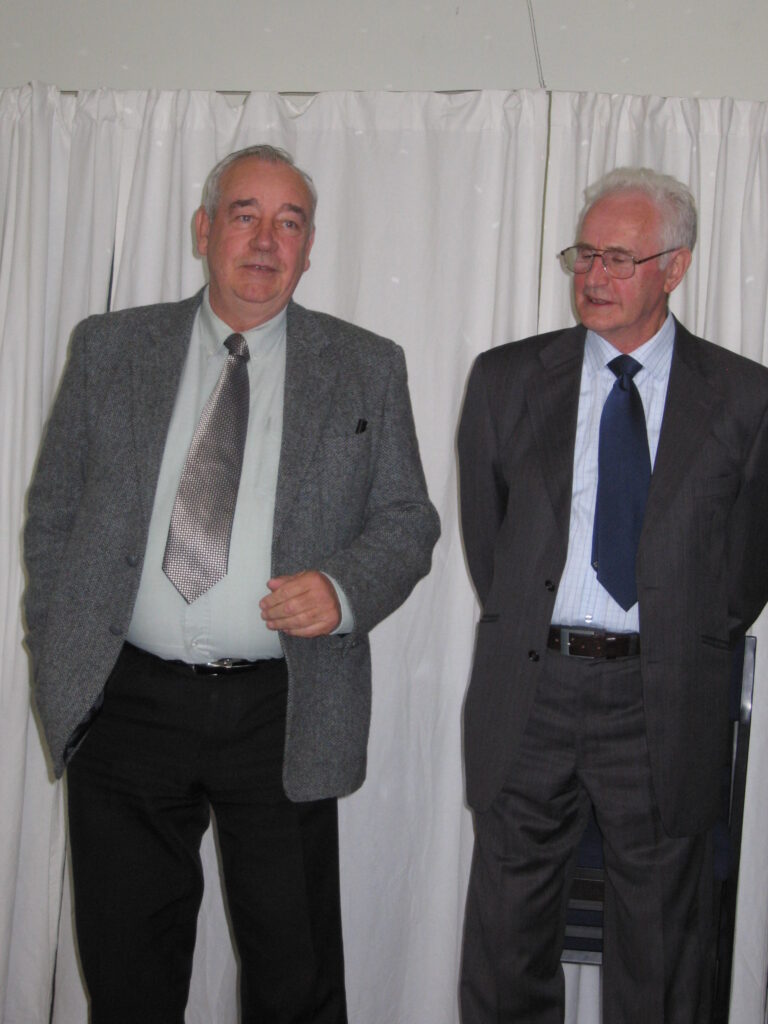


When Donald spoke it was of the great support he had had from everyone, particularly from Roma his wife as well as his extended family who were there to celebrate with him. It had been a great experience he said and he had enjoyed every minute of it.
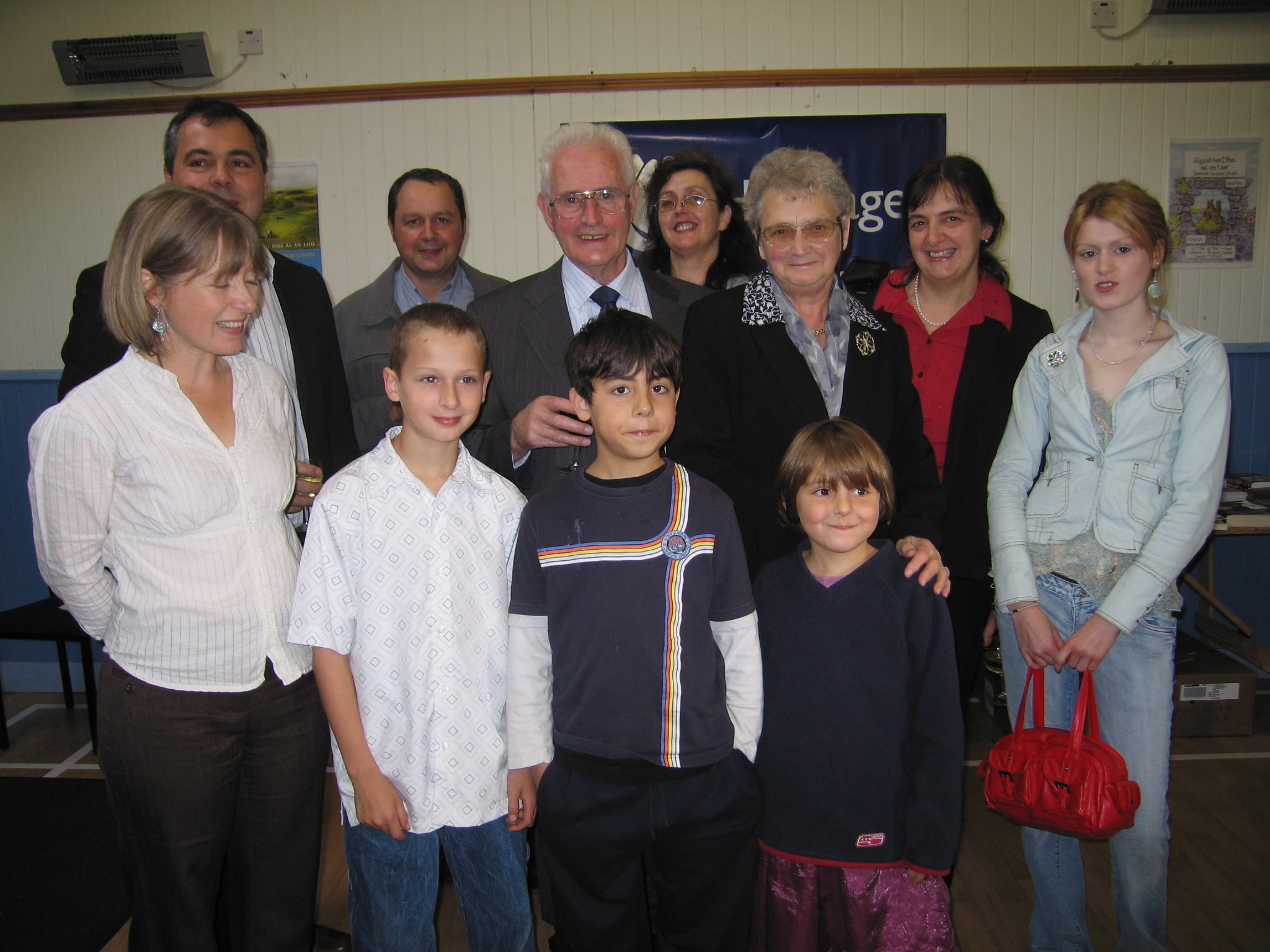
The Black family
The last word went to a message from Jo MacDonald read by Elaine Robertson. This is an enormous personal achievement and above all a legacy for all Gaels from one of the greatest cultural ambassadors of Gaelic.
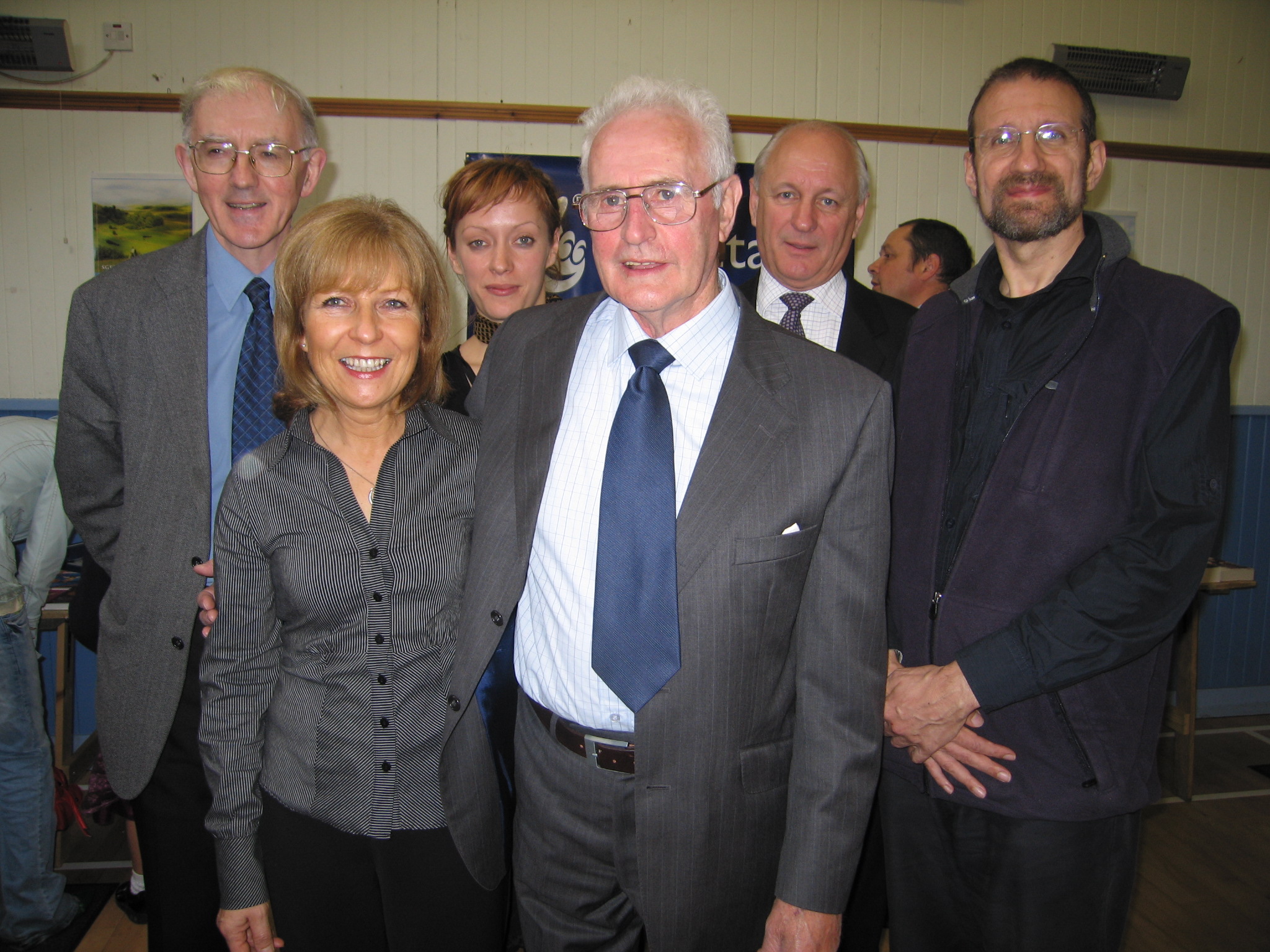
Cadispa
The book is available from Waterstones in Oban and Stirling, Lismore Stores and Appin Cooperative Store for £14.99.


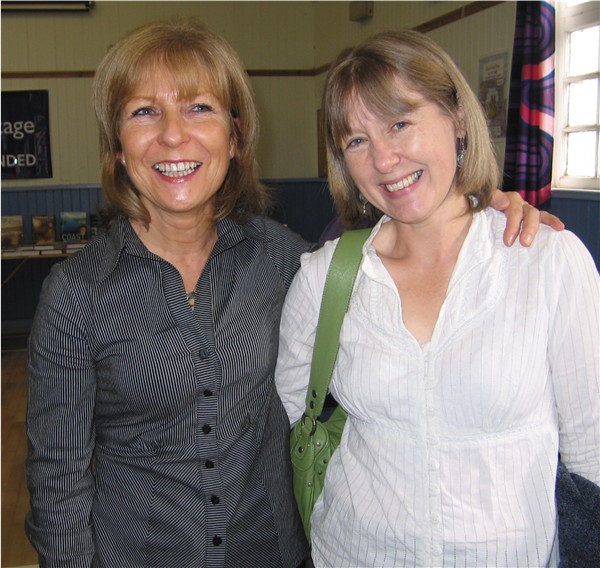
Images: SGE Green and Pauline Dowling
23 October 2006
A review from Chris Small
There’s more than one book of Lismore. Indeed, though it may seem neglected to those on the spot, including the author of this invaluable addition to the story, this same small spot on the world’s surface, lacking spectacular heights and depths, topographical or historical- no prodigies or monsters, no memorable slaughters- might be thought unusual in generating so much literature.
Some of it has been coincidental. The Commonplace book of the 16th c Dean of Lismore, Seamus MacGriogair, Sir James Macgregor, is famous as the earliest known document in Scotland of Ancient Gaelic poetry, but the compilation was made from an area much wider than Lismore, and it’s doubtful whether sir James ever set foot on the island.
500 years on and with a good deal of writing about Lismore in between, there is no doubt about it.
Donald Black is a Liosach born and bred. His entire life, from child to grandfather, has been on Lismore, where his forbears have lived as far as record and family tradition may reach, from a much earlier day than the Dean’s. As schoolboy, youthful athlete, crofter, roadman, with all the skills and knowledge this implies, he has been a member and intimate observer of the island community for 7 decades: a recorder of these neither detached nor impartial but with a great store of personal memory and, perhaps even more precious, the insights of sympathy and imagination. (He is also a gifted draughtsman whose delicate sketches illustrate the text).
Mr Black’s book, like the Dean’s, is also a miscellany, but of a different kind. His collection of tales, in parallel Gaelic and English texts, has under its modest title its own intention and order, a view both fully up to date and in historical perspective. (If you want to know the Gaelic equivalent of jet lag look up the account of Mr and Mrs Black’s recent trip to Australia). The tale or two spring not only from personal experience but local traditions and record, especially those concerning the impact on Lismore of the events known in English by the neutral euphemism of the Clearances and more expressively in Gaelic na Fuadaichean.
He tells how the Lismore clearances, somewhat later than more notorious depredations elsewhere, but proportionately as shattering, alienated between and 1840 and 1850 some 3000acres in the southern half of the island, with the destruction of half a dozen townships whose ruins are still traceable, and the eviction, Mr Black calculates, of up to 400 people. It is somewhat curious that these operations have until recently received little attention; there is only minimal reference to them in the account of Lismore in Alba by the former minister, Ian Carmichael written some 60 years ago, when their memory must have been even more fresh.
The Comann eachdraidh or Historical Society of lismore, in the forming and activities of which Donald Black has been very influential, is much concerned with the preservation and restoration of Gaelic. At present and not a little due to the efforts of Mr Black and his helpers, the once rapidly receding tide seems to have turned.
Mr Black is no polemicist. His tone, conversational, humorous, unemphatic, takes the reader by the hand and without hectoring guides him/her at times it seems almost at random, through the landscape, passed and present. He does not bear grudges. He has perhaps allowed Samuel Johnson a little to get his back up, but nothing like as much as did the Rev Donald MacNicol, the learned and combative Minster of Lismore in the late 18th century; and he has a diverting anecdote of meeting in Australia a direct descendant of the notorious Patrick Sellar who, after the first shock, couldn’t have been kinder.
Nevertheless this short book is in its way a manifesto. Courtesy is one thing, deference another. Donald Black is glad and proud to record instances of a rebellious spirit moving those pushed around by historical processes personal or impersonal. On Lismore it seems he says with satisfaction we were always a truculent people.
Perhaps it is because of this lasting truculence, or refusal to take the insults of history lying down, that his tale or two comes to an end with an expression of confidence. Even so long a history. its length and continuities, ecclesiastical, genealogical, linguistic being as already suggested, the most striking things about it , must seem on Lismore as elsewhere one damn thing after another. But for those who see it as a story of people and not of things, it preserves a shape even as it changes. Maybe this could be called collectively the Book of Lismore. But it is not finished. There will certainly be more books.