
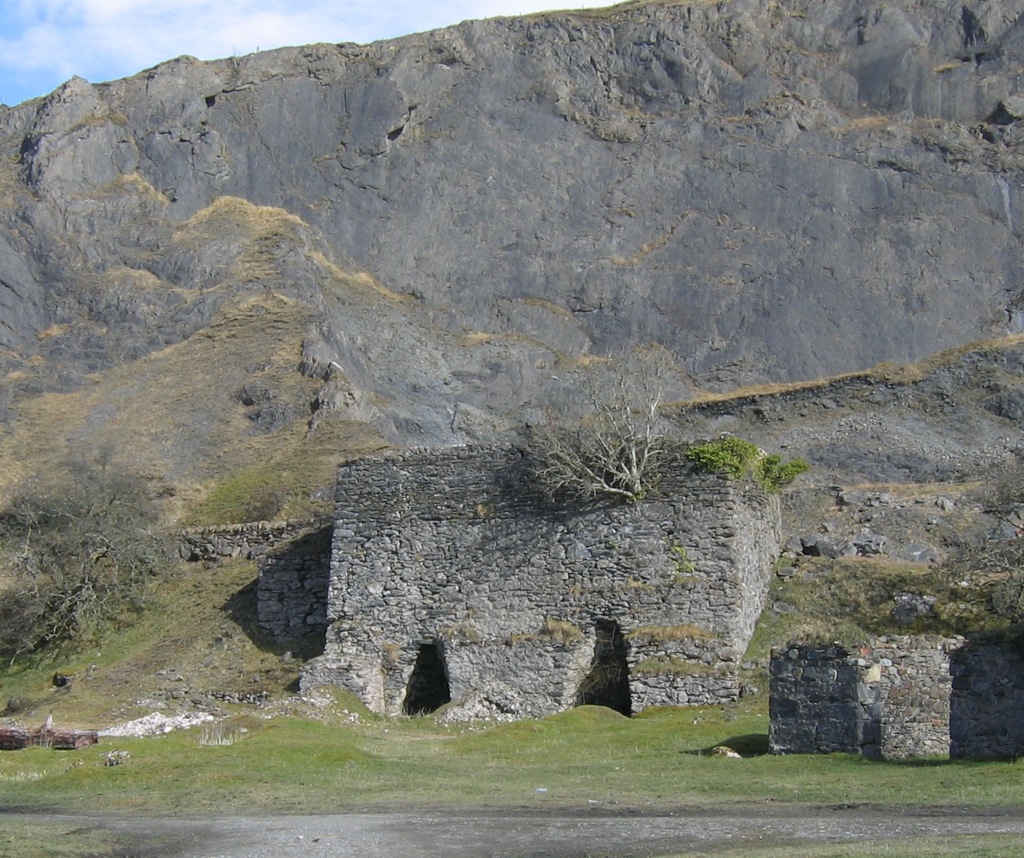
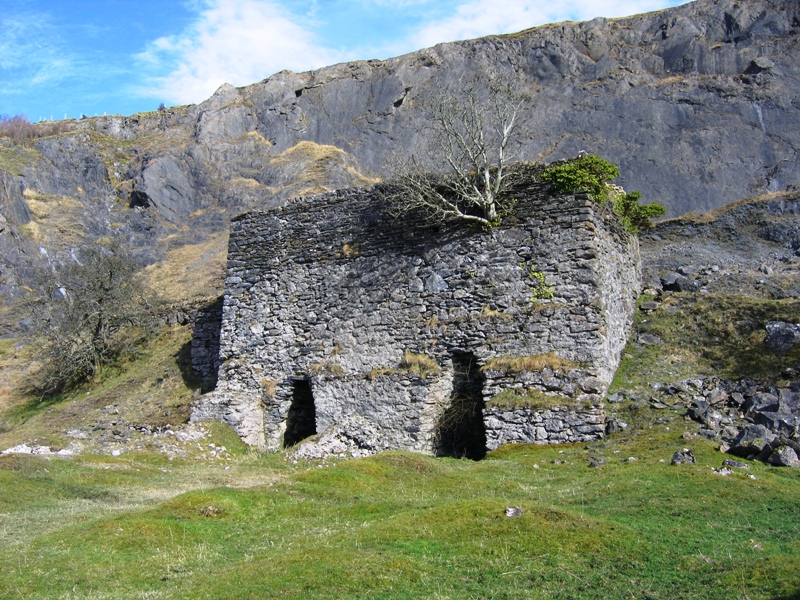
Sailean
The hall was full to hear Colin and Paula Martin talk about their work on Lismore’s limekilns. Colin is a retired lecturer in maritime studies from St Andrew’s University and Paula a freelance Archaeologist researcher and their joint interest in the limekilns was sparked when they first visited Lismore as members of the Morven Heritage Society.
Colin started with a survey of the maritime history of the island from 10,000 BCE to the present showing how important it had been in every age until modern times when the majority of us live our lives with very little reference to the sea except when we need to cross it in ferries, at which point it can become a hindrance.
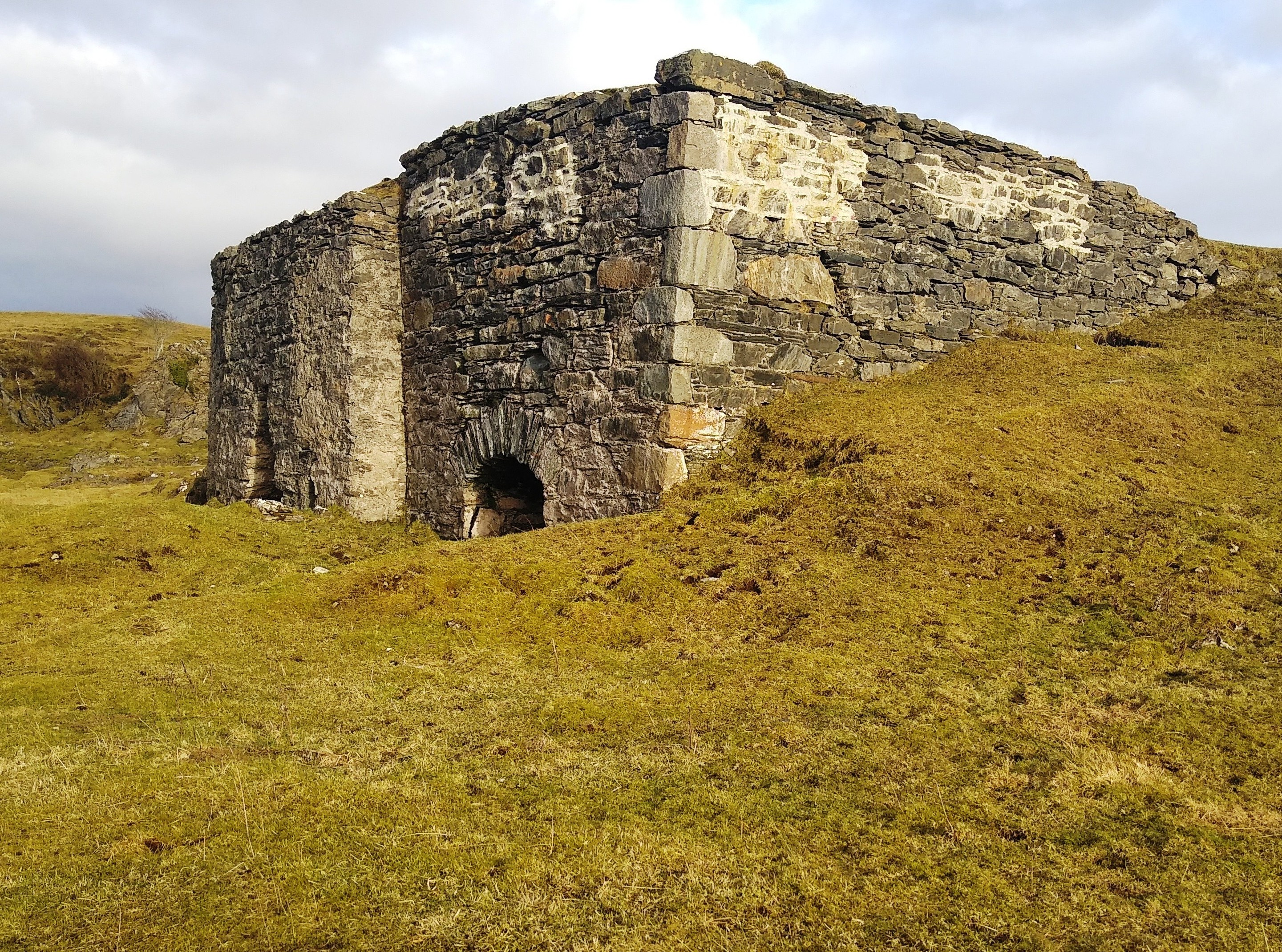
Port Ramsay
The sea in earlier times was a resource and a highway as all trade, exploration, and business was done by boat. It was also an agency of power with castles dominating seaways to control their feifdoms. The limekilns of Alastra, Port Ramsay, Port na Moralachd, Sailean and Kilcheran all needed the sea to bring the coal to make the lime which they traded as lime mortar or fertiliser from quays nearby.
The burning of lime for sale was begun by an enterprising Liosach between 1790-99. Kilcheran started in 1803-04 to finance the catholic seminary which was training Gaelic speaking priests for the area. Reports of its success vary, but it seems the priests would rather not have had to trade.
The biggest kiln at Sailean began working around 1826 and operated until 1935 and the area remains full of atmosphere with the workers’ cottages, the kiln itself, the coal store, quay and the manager’s house all standing. Lismore’s lime kilns are now in a state of slow decay, but are impressive and of great interest to Liosaich and visitors alike some of whom can remember their parents and grandparents working the lime.
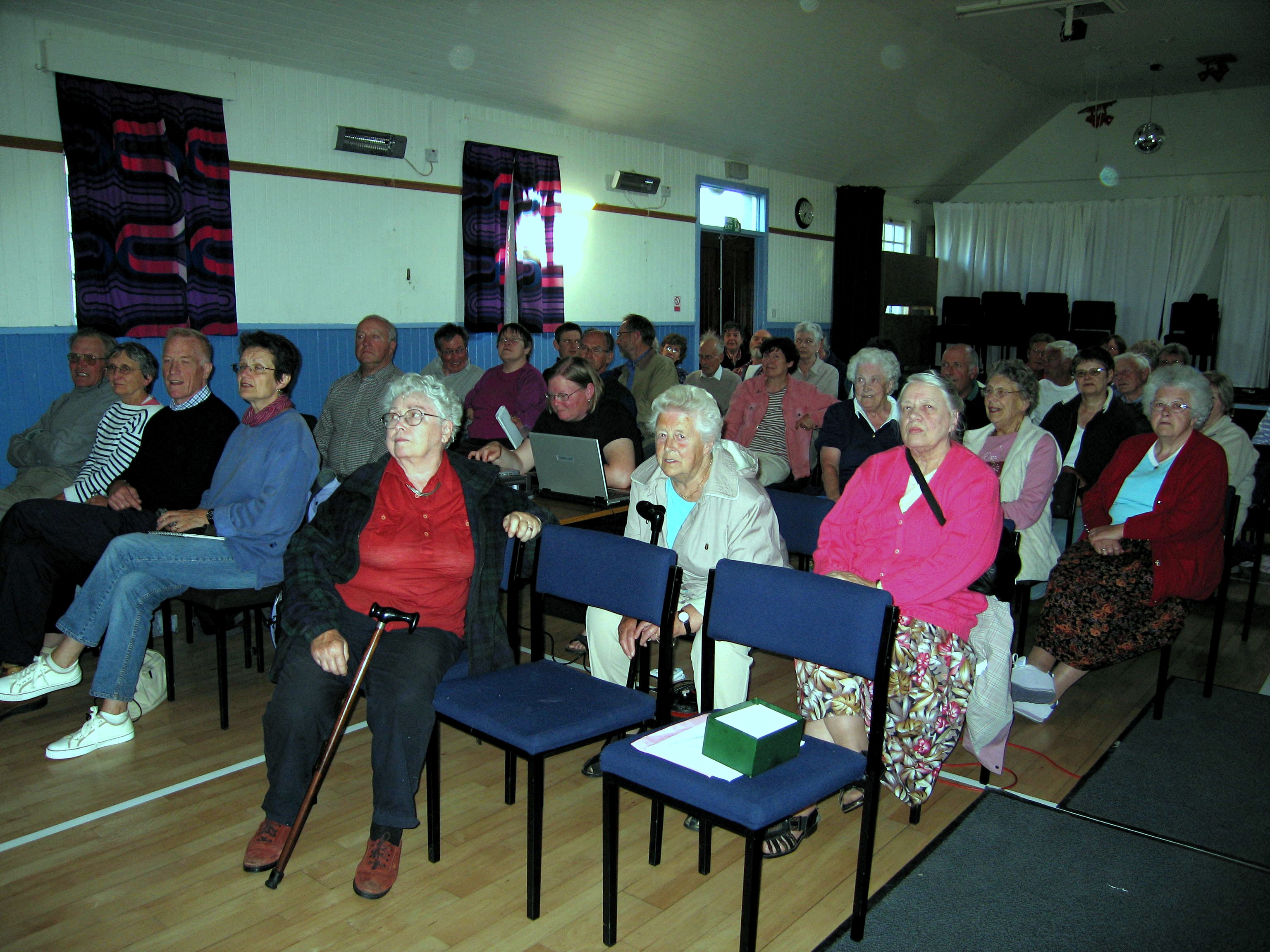
Lime Kilns’ talk 14 June 2006 Colin and Paula Martin