The Appin Head

The Appin Head

(on long-term loan from Kilmartin House Museum) This human face carved on a natural boulder of local igneous stone (37 x 26 cm; 50kg) has been identified by the National Museum of Scotland as a Pagan Celtic Stone Head, dating from the Iron Age1. Jean and the late...

Lime quarrying and burning

Lime quarrying and burning

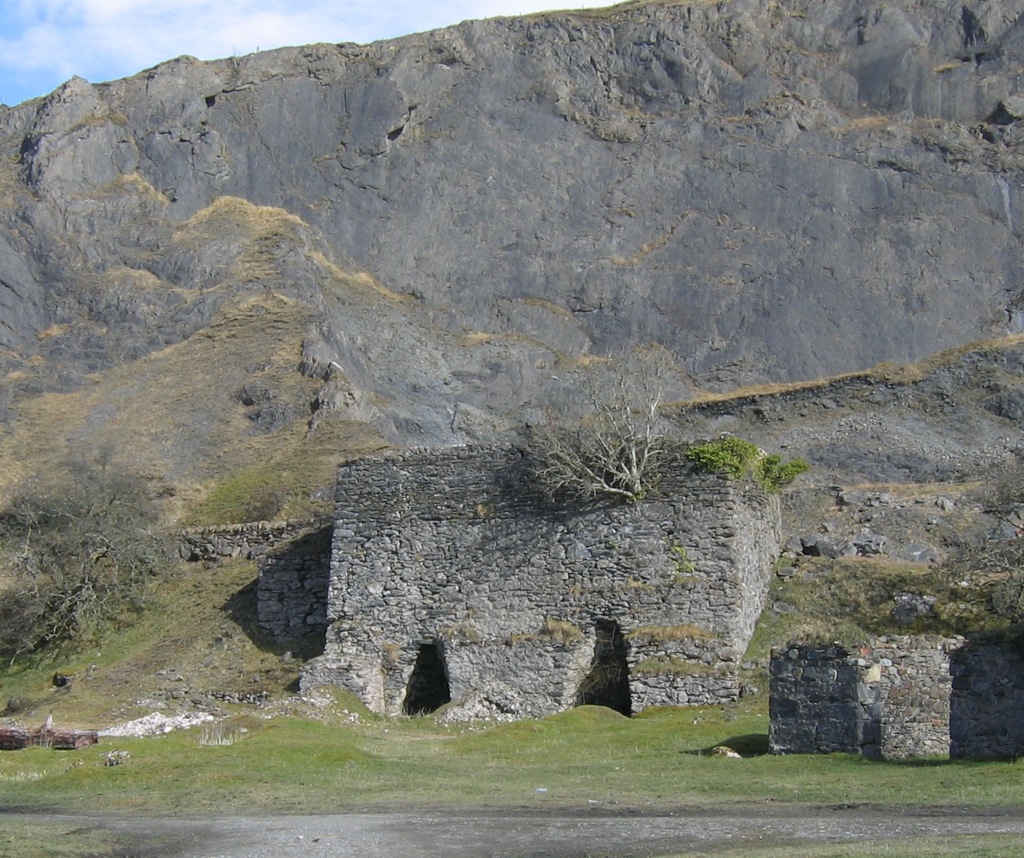
It is easy to be misled by the appearance of the Lismore limestone.  Although much greyer than many commercially-exploited  limestones, it is a high-quality source of calcium carbonate (around 90%), and its suitability for burning to produce lime for building and...

The 1918 Influenza pandemic

The 1918 Influenza pandemic

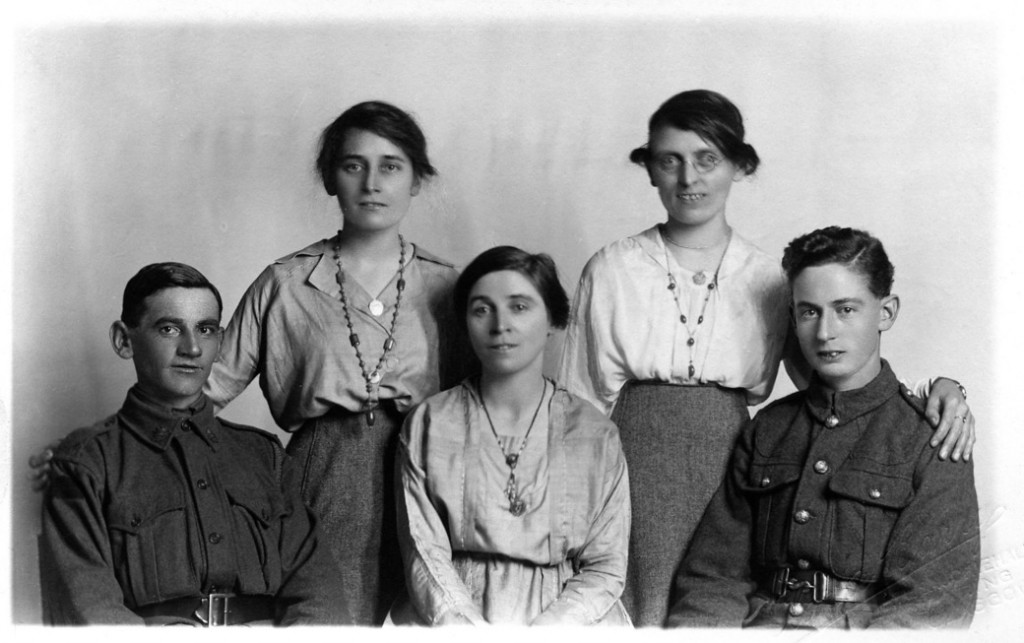
The McCormicks at Daisybank were a devoted family, very supportive of one another after the early death, in 1902, of Neil, the owner of Lismore Stores and a profitable tailoring business (see the Object for October 2015). His wife Elizabeth kept the store going for...

Gunpowder flasks

Gunpowder flasks

Before the introduction of manufactured cartridges and bullets from the mid-19th century, powder flasks were required to deliver gunpowder down the barrel of muzzle-loading guns.   The ball, bullet or shot was then driven into place with a ramrod, and secured with a...

Duncan MacCormick’s watch chain

Duncan MacCormick’s watch chain

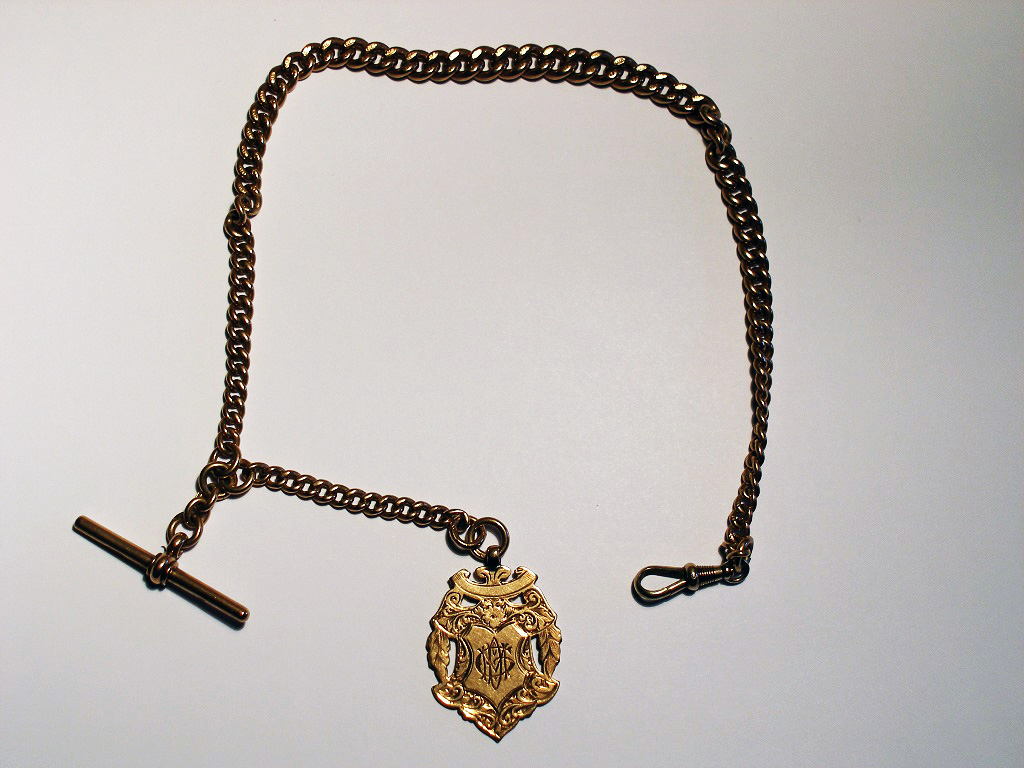
LISDD:2010.156 Gold watch chain of twisted oval links, connected to an oval commemorative medal inscribed on one side with the initials DMC and on the other:  “Presented to Duncan MacCormick from his friends & well wishers in Lismore.  22 August 1908” Duncan...

Victorian Bibles

Victorian Bibles

It was not until 1801 that a full translation of the bible into Gaelic, by the Rev John Stuart of Luss, was published but, by the time that Victoria ascended to the throne, even if there were no other books in a West Highland household, there would always be a bible,...

Rationing in the 1940s

Rationing in the 1940s

(LISDD:2012.Q) With the loss of 563 merchant vessels by U-boat attack in 1940, the British Government introduced food and fuel rationing. The need to grow more at home and conserve imported food became even more important by 1942, when 1322 ships were lost in the...

Items from Tirfuir Broch

Items from Tirfuir Broch

As part of the Lismore Landscape Project, Dr Ewan Campbell and colleagues from the Department of Archaeology, University of Glasgow, excavated areas of the interior and surrounds of Tirfuir Broch in 2004-5. At the level of the foundations, they uncovered the most...

Smoothing irons

Smoothing irons

The museum has a collection of four smoothing irons, which demonstrate different approaches to ironing clothes and bed sheets before the arrival of mains electricity in 1970. Up to the early twentieth century, the iron itself or a metal "slug", which fitted into the...

Christmas and New Year on Lismore

Christmas and New Year on Lismore

Before the Reformation, celebration of the birth of Christ was an important part of the religious year in the Highlands and Islands.  Alexander Carmichael collected surviving Christmas traditions in the Outer Hebrides, including carols, visits by guisers and...