

Fourteen hardy souls gathered on a raw Winter day to explore the land surrounding what is now Lismore Parish Church which is thought to be related to a much larger building and/or buildings on the site known as the Cathedral of St Moluag.
There were three Church related walkovers in 2015. They all explored the role this site played in Lismore’s secular and ecclesiastical history. Douglas Thorburn led the first on 24 January and on 7 February Bob Hay explored the old graveyard and its medieval graveslabs, and concluded on 7 March with the interior and immediate exterior of the church itself. Later Celm plan to produce a leaflet for future visitors as well as much data for the archive.
All sessions drew a large enthusiastic group from on and off the island.. A great deal of the island’s notable history lies hidden in this area and even the history, architecture, and legends of the existing building are little known.
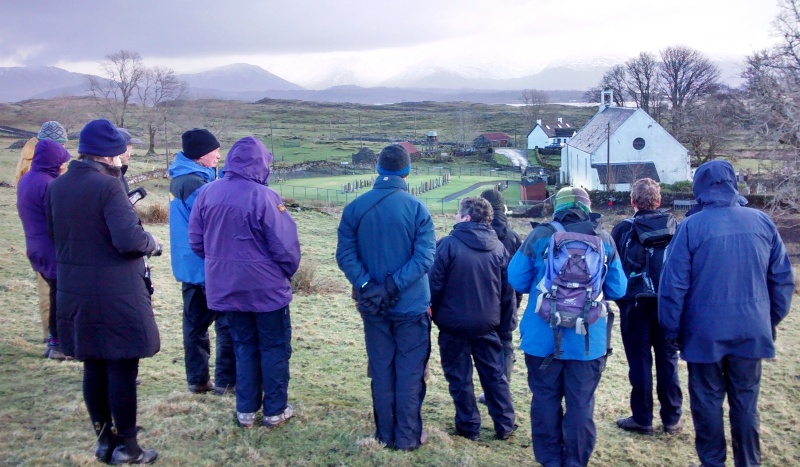
Archaeological walkover 2015 Looking towards the Cathedral
Evidence such as the Bronze Age cairn found near the site suggests that this had been a special place from early times: “There are lots of mysteries about this place,” said Douglas, “Only in 1749 do we move on to more certain territory about what we know for sure about this building.”
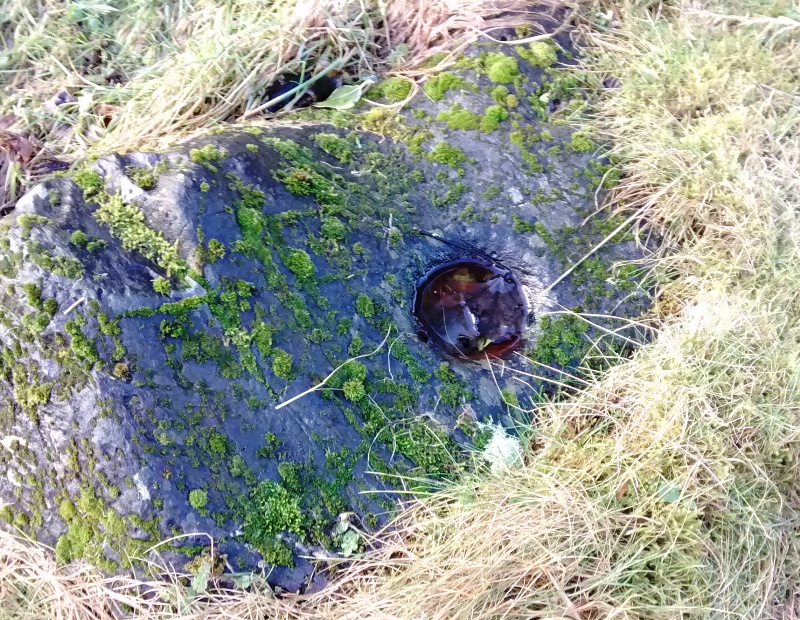
Possible Baptismal font in old graveyard
24 January 2015
The first walk explored the wider church surrounds, identifying the remains of the cathedral nave and the supposed sanctuary stone to which, according to legend, fugitives fled from the Hill of Justice some miles away.

The sanctuary stone
7 February 2015
Walk two featured the eight medieval grave slabs, dating back to the 13th century, which are in the process of being conserved and repaired in an exciting joint project of the Heritage Centre and Lismore Parish Church. They are currently being stored in the Old School House at Baligarve and can be visited.

Archaeological walkers
7 March 2015
Walk three was mainly in the church looking at the features remaining from the original cathedral such as the clearly identifiable piscina where the communion plate would have been washed and doorways made of Morven stone.
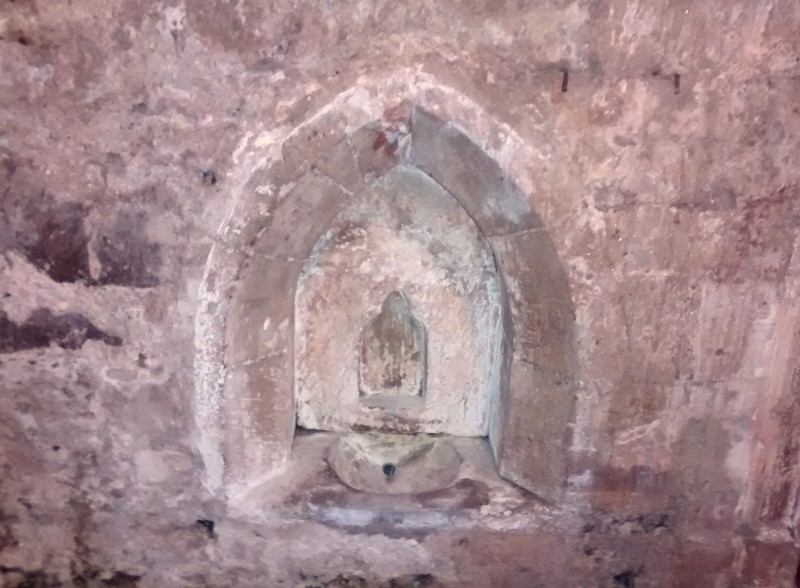
The original Piscina
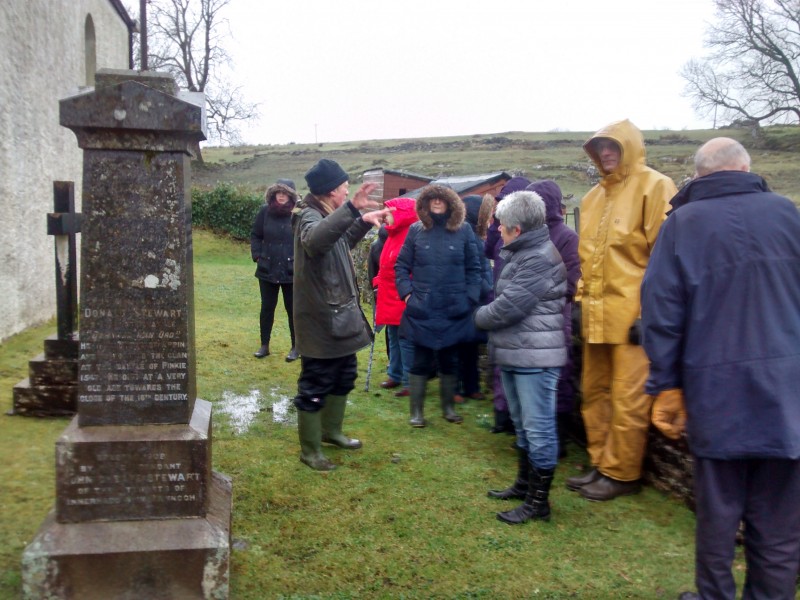
Near the original side door
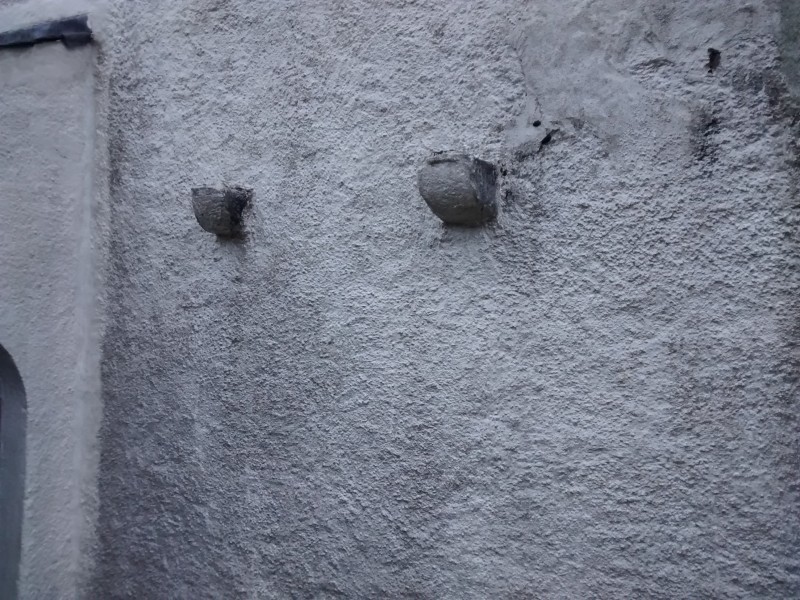
Archaeological walkover round the church March 2015
The archaeological walks will continue next winter, monthly.